Fortifying Enterprise Operational Resilience
Enterprises deploy Crisis Management to isolate failures, orchestrate response, restore stability, monitor systems, coordinate adaptation, integrate alerts, consolidate logs, enforce policies, achieve resilience, accelerate recovery enterprise operations across business functions.
Crisis Management is enabling immediate stakeholder confidence.
Today's markets expose fragile systems, causing chaotic emergency fallout. If unaddressed, prolonged outages erode trust and amplify losses. Our Crisis Management service was engineered to fortify operations instantly. You will command real-time coordination, slashing response times by 30%. Resulting in higher stakeholder confidence, 25% uplift, and uninterrupted continuity.
-30%
Response times drop by 30%, cutting average incident handling from hours to minutes, accelerating decision cycles.
+25%
Stakeholder confidence climbs 25%, reflected in surveys, boosting partner trust and securing long-term collaborations.
+20%
Resource allocation efficiency rises 20%, optimizing crew deployment and equipment use, delivering cost savings across crisis logistics.
-40%
Escalations fall 40%, reducing senior intervention needs and streamlining incident resolution pathways for faster outcomes.
Providing Resilient Response Capability
Enterprises are confronting cascading outages as interdependent systems are destabilizing operations, and they are deploying Crisis Management to isolate failures, orchestrate rapid response, and restore stability through continuous monitoring and adaptive coordination, thereby achieving heightened resilience and accelerating recovery timelines across critical business functions.
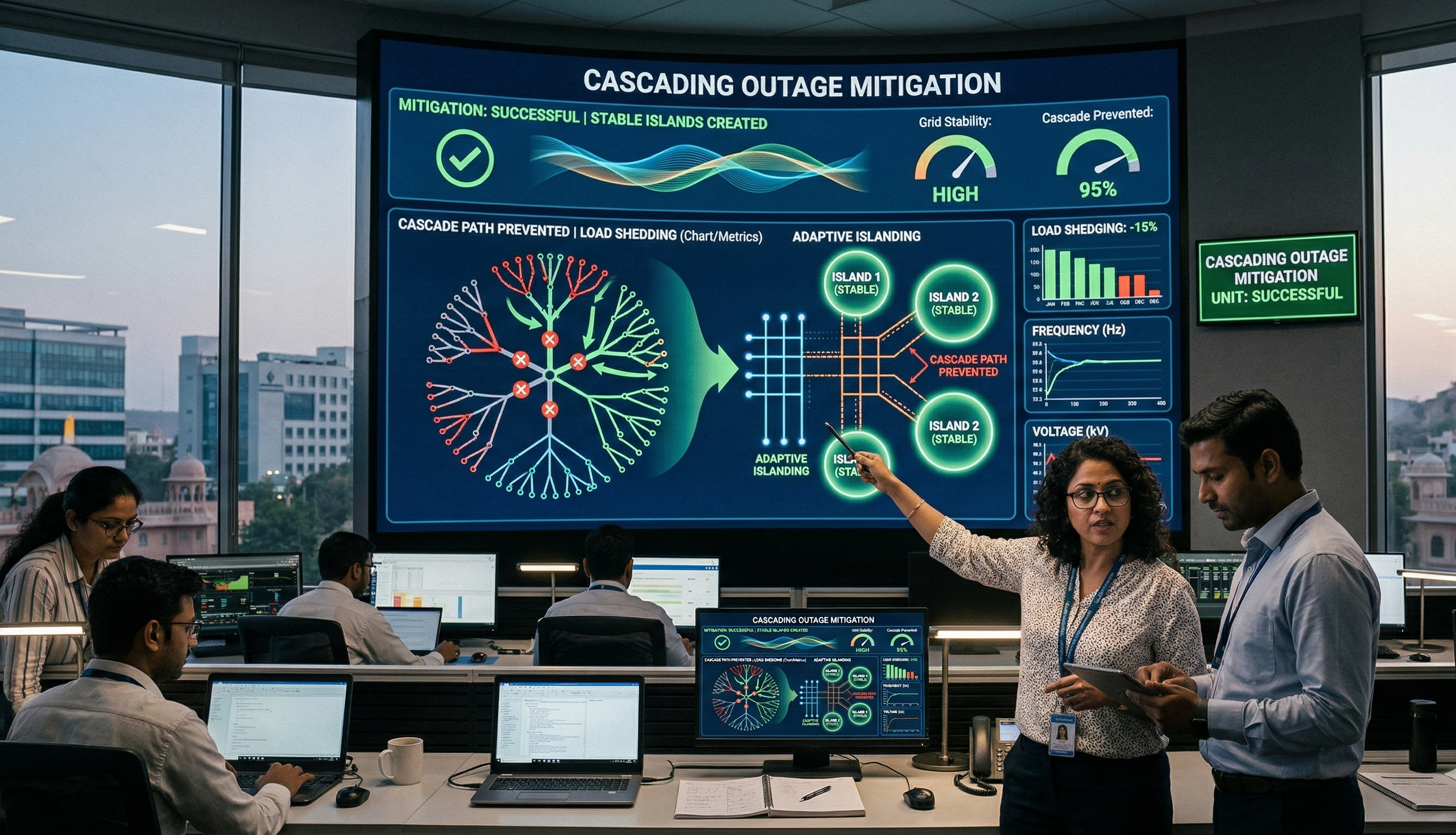
Cascading Outage Mitigation
Leading firms are experiencing frequent cascade failures and are integrating Crisis Management to detect fault propagation, isolate impacted nodes, and initiate immediate remediation, thereby limiting downtime and protecting revenue streams
Collaborative Resilience Ecosystem
Organizations are forming cross-functional response cells and are embedding Crisis Management platforms into their governance frameworks, fostering a unified resilience ecosystem that aligns IT, security, and business continuity teams.
Rapid Recovery Prioritizations
Enterprises are allocating budgets toward accelerating incident resolution and are concentrating resources on Crisis Management capabilities that enable swift containment, automated playbooks, and real-time communication during disruptions
Integrated Monitoring Infrastructure
Vendors are deploying advanced telemetry and AI-driven analytics, and organizations are leveraging these tools within Crisis Management to gain visibility, predict fault chains, and trigger proactive interventions
Operational Continuity Enhancement
Business units are depending on Crisis Management to maintain service continuity, and they are experiencing reduced outage impact, preserving customer trust, and sustaining revenue flow amid complex interdependencies
Enterprise-Wide Response Network
IT directors, security officers, and operations managers are collaborating with Crisis Management providers, and they are jointly shaping policies, training staff, and executing coordinated actions across all business units
Shift To Proactive Orchestration
Companies are transitioning from reactive incident handling to proactive orchestration, and they are embedding Crisis Management into continuous improvement cycles, thereby redefining standard operating procedures and response timelines.
Transforming interconnected fragility into resilience
Every service process is a sequence of actions designed to collapse interconnected fragility. By isolating failures, we engineer a strategic presence, ensuring fortified operations and accelerated recovery.
Integrated Monitoring Infrastructure
Leveraging advanced telemetry yields visibility, predicting fault chains and triggering proactive interventions.
Cascading Outage Mitigation
Detecting fault propagation isolates impacted nodes, initiating immediate remediation and limiting downtime.
Collaborative Response Orchestration
Forming cross-functional cells embeds platforms, fostering a unified resilience ecosystem across teams.
Rapid Recovery Prioritization
Accelerating incident resolution triggers swift containment, deploying automated playbooks for real-time communication.
Operational Continuity Enhancement
Maintaining service continuity reduces outage impact, preserving customer trust and sustaining revenue flow.
Proactive Orchestration Integration
Embedding crisis management into improvement cycles redefines standard operating procedures and response timelines.
Frequently Asked Questions
How do crisis management services strengthen enterprise resilience?
Why is crisis management essential for maintaining stakeholder confidence?
What key capabilities are included in crisis management services?
What is the process behind delivering crisis management services?
What benefits do crisis management services provide to businesses?
Trust

Crisis Management Will Construct Resilience Framework
This framework will fortify operations, isolate failures, and accelerate recovery, ensuring continuous strategic presence.

Integrated Monitoring Infrastructure
Advanced telemetry will yield visibility, predict fault chains, and trigger proactive interventions for system stability.
Response Orchestration Platform
Cross-functional cells will embed platforms, fostering a unified resilience ecosystem across all teams.

Outage Mitigation System
Fault propagation detection will isolate impacted nodes, initiate immediate remediation, and limit operational downtime.

Orchestration Integration Module
Crisis management embedding will redefine standard operating procedures and optimize response timelines for efficiency.
Navigate uncertainty and protect your brand’s future with our strategic Crisis Management Services. Our expert team is ready to help you maintain narrative control and emerge from challenges with a stronger market reputation.
Our B2B Marketing Consultancy
Marconpra’s web catalog provides expert knowledge across various areas, including enterprise operations, business performance, promotional materials, digital marketing, modern media management, and AI transformation.